


Why New Year’s Resolutions Fail
Why New Year’s Resolutions Fail (and what to do instead): Not because people are lazy. Not because they don’t want it enough. Because they rely on intention… without a plan, and they aim for a personality change without building the daily system.
Tomek Joseph
12/30/20253 min read


Every January starts with good intentions.
More energy.
Better habits.
Less stress.
A “this year will be different” mindset.
But data shows a consistent pattern:
Only a small percentage of people keep their New Year’s resolutions beyond the first few weeks
Many give up before the end of January
On average, resolutions last less than four months
In fact, surveys suggest that only around 8% of people manage to stick to their resolutions for an entire month, and even fewer maintain them beyond that.
Most people drop off somewhere between January and March.
Not because they don’t care.
Not because they lack discipline.
But because motivation fades — and life returns.
Deadlines reappear.
Stress comes back.
Old routines take over.
Resolutions fail not at the moment they’re set but at the moment they collide with reality.
The real problem isn’t intention — it’s structure
Most resolutions are built on hope, not design.
They sound like:
“I’ll exercise more.”
“I’ll be less stressed.”
“I’ll eat better.”
“I’ll focus on myself this year.”
They describe what we want but rarely how it will actually happen.
They don’t account for:
busy days
low energy
pressure
emotional overload
unexpected work demands
And when stress returns — as it always does — the resolution quietly disappears.
Not dramatically.
Just slowly replaced by old habits.
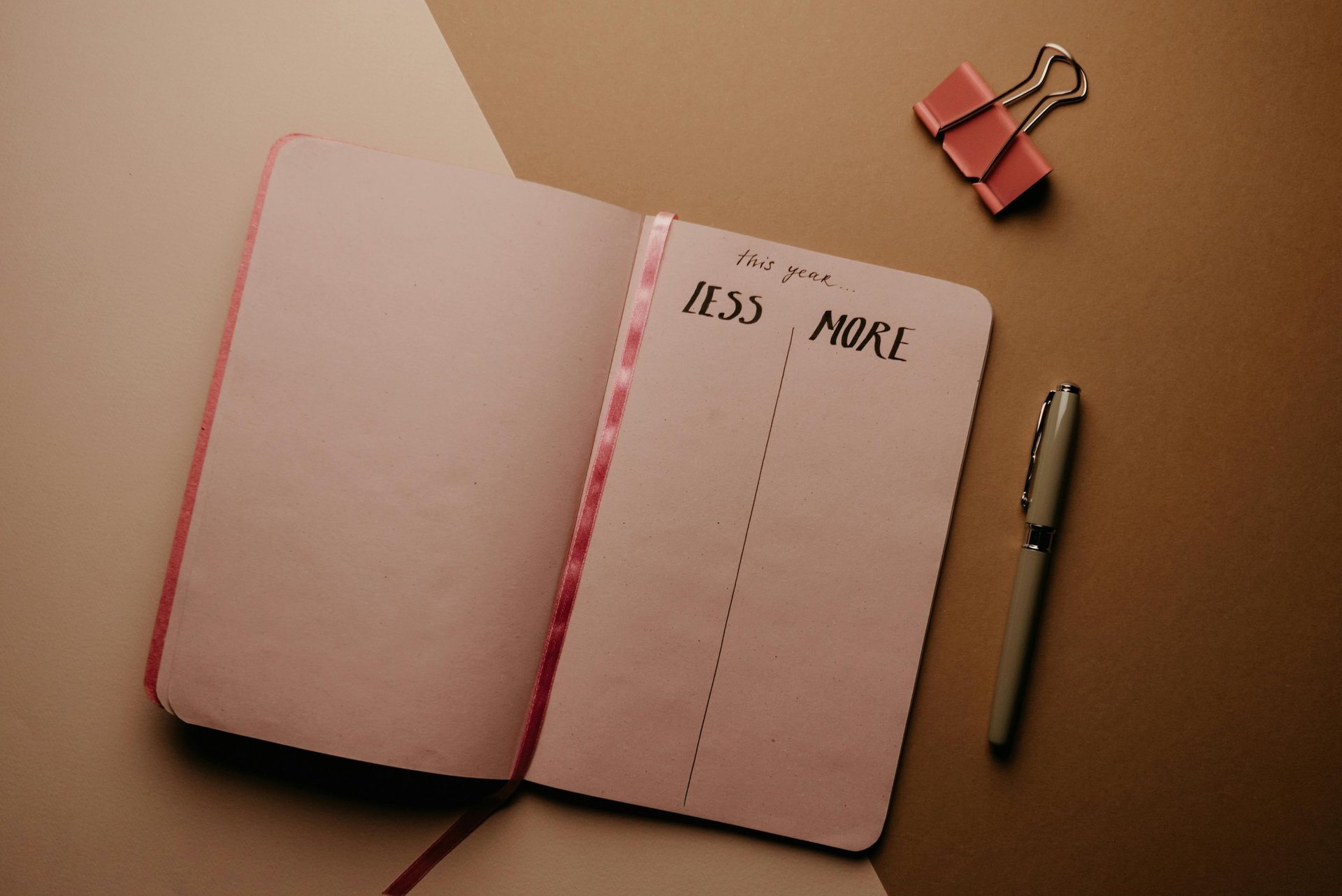


Motivation is a spark. Habits are a system.
Motivation feels powerful in January.
But motivation is temporary.
Habits are what remain when motivation disappears.
A habit doesn’t rely on willpower or mood.
It relies on simplicity, repetition, and design.
That’s why people who succeed don’t usually have stronger motivation they have smaller, more realistic habits that survive real life.
Why bigger goals often backfire
Many people aim too high, too fast.
They try to:
work out five times a week
meditate for 30 minutes a day
completely change their diet
overhaul their lifestyle overnight
It works — briefly.
Until a busy week hits.
Until energy drops.
Until stress takes over.
Then the habit feels heavy and becomes the first thing to go.
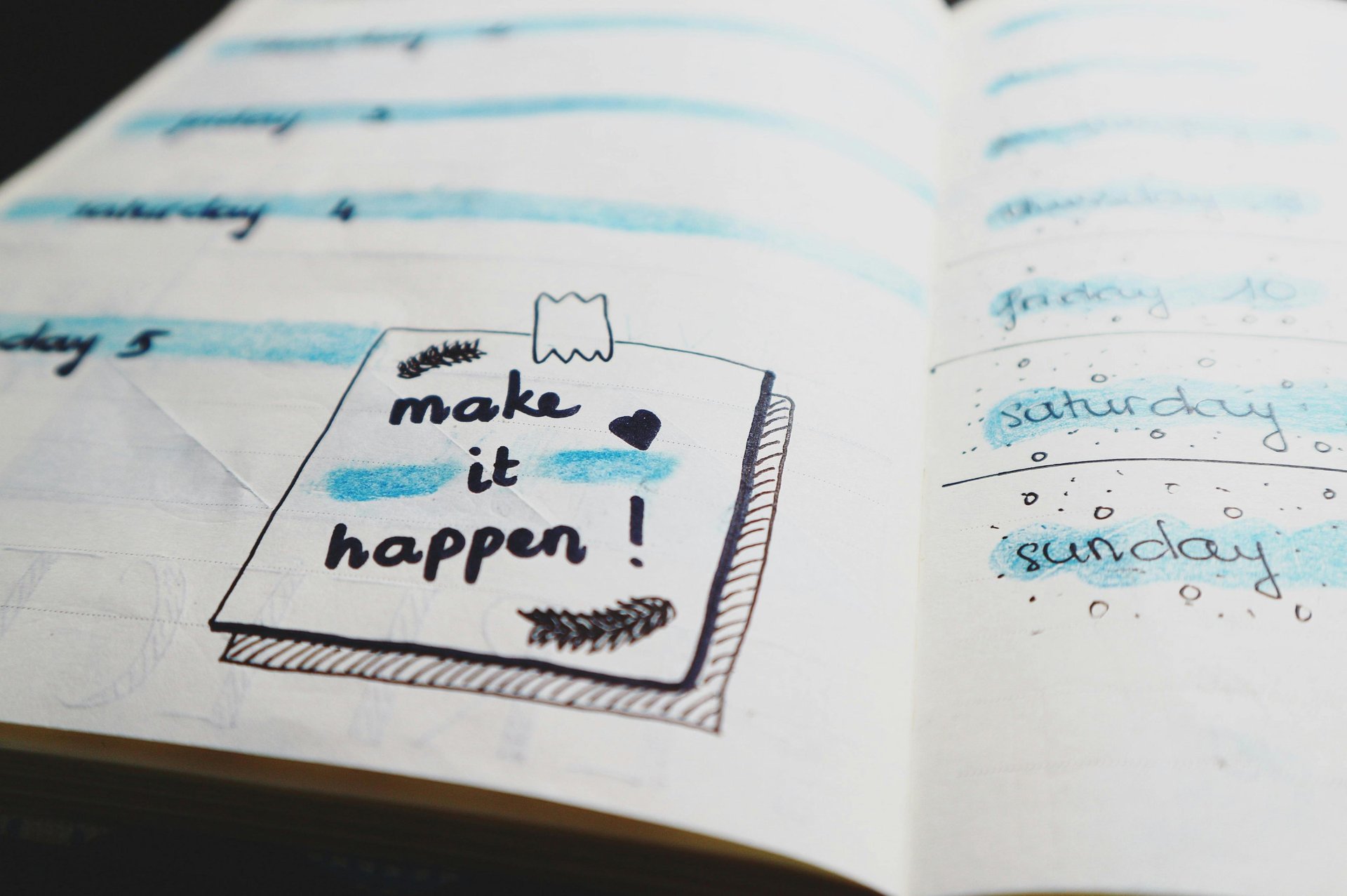
The habit shift that actually works
The habits that last share three simple qualities.
1. They are small
So small you can do them even on a bad day.
Two minutes of movement.
One minute of breathing.
One page of reading.
Ten minutes without your phone.
Small habits remove resistance and resistance is what kills consistency.
2. They are anchored
They’re attached to something you already do.
After brushing your teeth.
Before opening your emails.
When you make your morning coffee.
As soon as you close your laptop.
No extra planning.
No decision fatigue.
3. They plan for reality — not perfection
People who stick to habits don’t plan for their best days.
They plan for their worst days.
“If I feel too tired, I’ll do the two-minute version.”
“If I miss a day, I’ll restart tomorrow — without guilt.”
“If pressure rises, I’ll lower the bar, not abandon the habit.”
This single shift changes everything.
Examples that fit real life
Instead of:
“I want to be fitter”
→ 10 minute jog every morning
Instead of:
“I want less stress”
→ 60 seconds of deep breathing before or after stressful events
Instead of:
“I want to read more”
→ 10 pages every evening
Instead of:
“I want better balance”
→ 10 phone-free minutes after work
These habits don’t look impressive.
But they are repeatable and repeatable habits are the ones that last.
A different way to approach this year
This year doesn’t need a bigger resolution.
It needs a kinder system.
One habit.
Small enough to stick.
Flexible enough to survive pressure.
Simple enough to repeat.
Because lasting change doesn’t come from intensity.
It comes from consistency.


A final thought for the year ahead
If your resolutions didn’t last in the past, it doesn’t mean you failed.
It means the plan didn’t match reality.
This year, don’t try to become a new person overnight.
Build one small habit and let it quietly become part of who you are.
#NewYearsResolutions #PersonalGrowth #HealthyHabits #HabitBuilding #MentalWellbeing